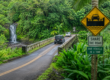


You’ve spent hours on a road with more than 600 curves, and your shoulders are tight from the drive. Then you step out at the far end of Maui. Bamboo clacks in the wind. A waterfall drops 400 feet down a rock wall.
It’s as good as it sounds. But this corner of the island can change in minutes. On October 29, 2026, heavy rain, flash floods, and small landslides pushed park officials to close the Kīpahulu area and issue an evacuation warning.
That’s why this Road to Hana Guide from Stardust Hawaii sticks to what matters. You’ll get clear answers on permits, fees, swimming, and safety. You’ll also get ideas for the best waterfalls on Road to Hana, so your day stays fun instead of stressful.
Quick Answers: Permits, Fees & Swimming
Short on time? Start with this table!
| Question | Short answer |
|---|---|
| Do I need a permit for the Pipiwai Trail? | No. No permit or reservation is needed. |
| Is there a fee? | Yes. The park charges $30 per vehicle for three days. |
| Can I pay with cash? | No. The park takes cards only. |
| Can I swim in the Seven Sacred Pools? | No. The pools are closed to swimming. |
| How long is the hike? | About 4 miles round trip. Plan on 2 to 4 hours. |
Keep your receipt. It also gets you into the summit side of Haleakalā National Park during those three days.
Your Road to Hana Guide to the Pipiwai Trail
The trail starts at the Kīpahulu Visitor Center. It’s about 4 miles round trip, with roughly 800 feet of climbing. Most people call it moderate. If you can walk a few miles on bumpy ground, you can do this one. Along the way, you’ll pass:
- Makahiku Falls overlook a wide waterfall around 200 feet tall.
- A huge banyan tree with roots that spread like arms.
- A boardwalk through a bamboo forest.
- Waimoku Falls, about 400 feet tall.
The bamboo steals the show for many hikers. The stalks tower overhead and knock together in the breeze, like giant wooden wind chimes. Right before the falls, you’ll cross a creek. If the water looks high or muddy, turn around. You get good views of the falls before the crossing, so don’t risk it.
When to Start
Go early. You want to finish with a couple of hours of daylight left, because the drive back is long. Kīpahulu hours are usually about 9 a.m. to 5 p.m., so check the park’s page before you leave Hāna.
What to Pack
- Shoes with good grip, since roots and mud are everywhere.
- A rain jacket.
- Plenty of water.
- Snacks, sunscreen, and bug spray.
- A credit or debit card for the fee.
- A map saved to your phone ahead of time.
There’s no food or gas in the park, and cell service is weak. In late October, the Kīpahulu restrooms and water stations were closed for repairs. Don’t count on them.
Seven Sacred Pools (Oheʻo Gulch): Look, Don’t Swim
First, the name. There are more than seven pools, and the “sacred” label came from the tourism era. The park and local families call the spot Oheʻo Gulch.
Years ago, visitors swam here. That’s over for now. The National Park Service lists the pools as not accessible for swimming because of flash floods, falling rocks, and rough surf below. Rain miles up the mountain can send a wall of water down the stream while the sky above you stays blue. Any trusted Road to Hana Guide will tell you the same thing: stay out!
You can still see the pools, though. Walk the Kūloa Point Trail, a short loop from the visitor center. It ends at an overlook above the tiered pools and the ocean. Stay on the path and keep out of the water. The signs are there for a reason. The same goes for Waimoku Falls, where swimming at the base isn’t recommended.
Safety Guide: Floods, Closures & Road Conditions
Flash floods are the biggest risk in Kīpahulu. The October 29, 2026 storm showed how fast things shift. The park closed that day because of flooding and slides between Kīpahulu and Hāna, and the county asked visitors to stay out of East Maui. Even on a Road to Hana tour, guides watch the same alerts you should.
Don’t start the hike during heavy rain, a flood watch, or a flood warning.
| Hazard | Warning signs | What to do |
|---|---|---|
| Flash flood | Rising or muddy water, rain upstream, flood alerts | Turn around and stay out of streams |
| Rockfall and slides | Fresh debris, closure signs | Don’t stop or park under cliffs |
| Slippery ground | Wet roots, mud, loose rocks | Wear grippy shoes and walk slowly |
| Heat and thirst | Hot sun, little shade near the lot | Bring water and start early |
Check before you go
Look at these pages the morning of your trip:
Skip the back road
Past Kīpahulu, the road turns rough and narrow. Many rental contracts ban it, and rockslides can shut it with no notice. Drive to Kīpahulu, then head back the way you came. Also keep in mind that groups in the park are limited to 12 people, and pets aren’t allowed on the trails.
The Best Waterfalls on Road to Hana (Besides Waimoku)
Kīpahulu is the big finish, but the road is full of other falls. This Road to Hana Guide wouldn’t be complete without a few quick picks:
- Upper Waikani Falls: Locals call it “Three Bears” for its trio of cascades, near mile marker 19.
- Puaʻa Kaʻa State Wayside: A small fall and pool right by the road, with restrooms.
- Waikamoi, Haipuaʻena, and Wailua Iki: Quick roadside views that make great photo breaks.
Swim only where signs allow it and when the weather is calm.
Road to Hana Tour or Drive Yourself?
Both ways work. It comes down to how you feel about narrow roads. The Hana Highway has around 620 curves and dozens of one-lane bridges, and slides can slow things down.
| Drive yourself | Guided tour | |
|---|---|---|
| Driving | You handle every curve | A trained driver does |
| Parking and gas | You find both | Taken care of |
| Pace | Your own schedule | Set stops |
| Local stories | Whatever you read ahead | Your guide shares the history |
| Pipiwai Trail | Your call | Not on the standard route |
Why travelers pick a Road to Hana Tour with Stardust Hawaii
Our Famous Road to Hana Waterfalls & Lunch tour runs in a Mercedes Sprinter van with up to 14 guests. We pick you up at major Maui hotels. A light breakfast, snacks, drinks, and a deli-style lunch are all included. Stops include Waiʻānapanapa Black Sand Beach, Puaʻa Kaʻa Falls, and Aunty Sandy’s banana bread stand, with swimming where weather and rules allow.
Guests rate the tour 4.93 out of 5 across 88 reviews, and many mention their guide’s safe driving and local stories. It’s a long day, around 10 to 12 hours depending on traffic. Stops can change with weather, road conditions, or closures.
The standard route doesn’t include the Pipiwai Trail. If the hike is your main goal, call us at 808 280 2880, and we’ll talk through your options.
Ready to See East Maui the Easy Way?
You now have the full Road to Hana Guide: no permit for the Pipiwai Trail, a $30 park fee, pools that are closed to swimming, and a weather check before you roll out. Treat the Seven Sacred Pools as a view, and follow the signs.
If you’d rather leave the curves to someone else, Stardust Hawaii is ready. Book the Famous Road to Hana Waterfalls & Lunch tour today and see the waterfalls on Road to Hana with a local guide at the wheel. Seats are limited because we keep groups small, so reserve early or call 808 280 2880. Stardust Hawaii will take it from there.
FAQs
Q1. Do I need a permit or reservation for the Pipiwai Trail?
Ans. No. The trail needs no permit and no reservation. You only pay the park entrance fee, which is $30 per vehicle, covers three days, and is card-only.
Q2. Can you swim in the Seven Sacred Pools?
Ans. No. The National Park Service lists the pools as closed to swimming because of flash floods, rockfall, and surf. You can view them from the Kūloa Point Trail.
Q3. How hard is the Pipiwai Trail?
Ans. It’s moderate. Expect about 4 miles round trip, 800 feet of climbing, and muddy, root-covered ground. Kids who like to walk can manage it. The trail isn’t wheelchair accessible, and pets aren’t allowed.
Q4. Is the Road to Hana safe right now?
Ans. Conditions change with the weather. Check the park, state, and county pages the morning you go, and skip the trip if a flood warning is active.
Q5. Are there restrooms and food at Kīpahulu?
Ans. There’s no food or gas in the park. Restrooms and water stations were closed for repairs in late October, so bring water and plan your bathroom stops in Hāna.