

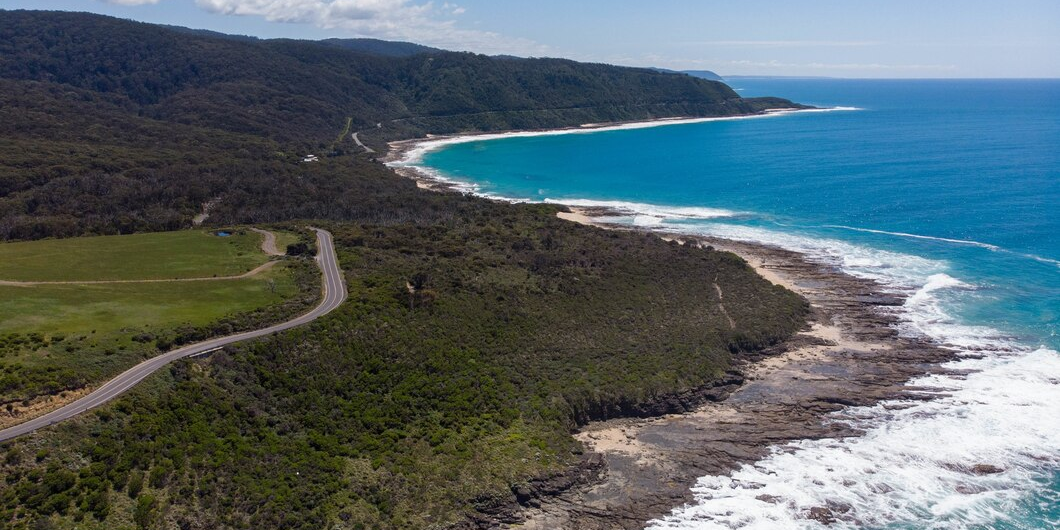
Planning a Road to Hana Tour? This is a fantastic touring drive in Maui that takes you through rainforests and the Hana Highway, with a one-day tour of the ocean. This drive is a great journey that I have assisted numerous customers with during my work as an SEO strategist with Hawaiian tour companies. The biggest question is always raised: reverse route or traditional route? Let’s weigh the pros and cons.
Why is the Road to Hana Tour so Popular?
The Hana Highway, or the Road to Hana, is a 64-mile journey along the northeast coast of Maui. It is not merely a drive but a spiritual one that passes through 600 hairpin turns and 59 bridges (the majority one-lane) and is surrounded by attractions such as the popular Twin Falls and the black-sand beach of Wai’anapanapa State Park.
In my case, with tourists and locals, the combination of thrills and relaxation is the key attraction. Allow the worry-free luxury Mercedes-Benz Sprinter vans at the famous Road to Hana Waterfalls and Lunch in Stardust Hawaii to take the lead around the boulders and mudslides as you capture photos if you are driving the Hana Highway by yourself and get carsick from all the turns, good luck.
In 2026, as Maui tourism rebounds, tours emphasize safety and sustainability. Operators now prioritize Native Hawaiian insights and eco-friendly stops, feeding dollars back to local communities.
Road to Hana Tour in Reverse vs Traditional Route: Core Differences
The debate boils down to direction. Traditional means starting from Kahului (or Paia) heading east to Hana town. Reverse flips it, you begin in Hana and loop back counterclockwise via the backroad to Hana.
Here’s a quick comparison based on real traveler feedback and operator data:
The traditional route from East to Hana tends to get crowded by mid-morning, with traffic building up and one-lane bridges often becoming congested. In contrast, starting early on the reverse route from Hana toward the backroad can help you avoid much of the traffic, making the narrow sections smoother to navigate. In terms of scenery, the traditional route introduces waterfalls early, such as the Gardens of Eden, and gradually builds toward dramatic ocean views, while the reverse route presents the ocean scenery first and saves the waterfalls for later, which can feel less repetitive. The traditional direction is generally easier for beginners because there are more pullouts and stopping points early on, whereas the backroad section on the reverse route can be rougher, with potholes and steep drops that may not be suitable for all vehicles, especially larger vans. Timing also differs: travelers on the traditional route often reach Hana by lunchtime and then return the same way or attempt the backroad later in the day, which can be risky. The reverse route allows for a full loop, with Hana reached around midday when it’s typically less crowded. Overall, the traditional route is ideal for waterfall lovers who want quick scenic stops, while the reverse route suits adventure seekers looking to avoid long lines and enjoy a quieter drive
Traditional shines if you’re short on time, hit top Hana Highway waterfalls like Puohokamoa early before tour buses swarm. Reverse suits bold drivers chasing solitude, but pros warn: that “backroad” isn’t for rentals; it’s narrow, unpaved in spots, with sheer drops.
What most people don’t realize is that reverse often feels fresher because you tackle the tough backroad with daylight left, when you’re less fatigued. Still, guided tours adapt seamlessly either way.
Pros and Cons of Each Road to Hana Maui Route
Traditional Route Advantages
You ease in with coastal views, turning jungle-thick fast. Stops like Ho’okipa Beach Park (turtle spotting) and the first waterfalls feel magical pre-crowd. Lunch in Hana? Perfect timing for fresh poke or banana bread.
Downsides? By 10 a.m., it’s a convoy. Bridges turn into standoffs, yield or argue. Carsick passengers review breakfast 600 times, as one guide quipped.
Reverse Route Perks
Start in Hana for quiet black-sand beaches and the Pipiwai Trail’s bamboo forest. Descend the backroad with epic south-coast panoramas, hitting waterfalls on the rebound. Less stress on bridges since traffic thins out.
The catch: Early Hana access means 4-5 a.m. drives or a ferry from Lanai. Backroad demands 4WD confidence; slips happen in the rain. Not ideal for kids or nervous riders.
In practice, reverse wins for photographers,golden-hour light on those falls is chef’sa kiss. But traditional predictability keeps it popular for 70% of tours.
Best Road to Hana Tour Operators for 2026
Skip DIY headaches. Guided Road to Hana Tours like Stardust Hawaii’s stand out, they navigate 620 curves and 54 bridges in comfort, with lunch at a scenic spot and pro driver stories. Mercedes vans mean AC, big windows, and strategic bathroom breaks.
Pro tip: Book full-day options (8-10hours) for beyond-Hana loops. Avoid half-days; they skim the magic.
Essential Tips for Your Road to Hana Tour
- Travel smart: bring motion sickness meds, reef-safe sunscreen, bug repellent, a swimsuit, and a towel. If driving on your own, consider downloading the Gypsy Guide app for its audio narrations.
- In the field, rain makes the roads slippery. Tours use weather radar systems. Be sure to respect the “kapu” signs at the sacred sites. No drones allowed; the fines are steep.
- Drink water like crazy because the humidity in Hana is tricky. If you are bringing the kids along, consider the morning trips because they tend to get less fatigued.
- When is the best time to visit? The entire year is great, but April-May and September-October are good times to avoid crowds and rain. The weather during the shoulder season has raging falls and no.
Road to Hana Waterfalls: Must-See Highlights
No Road to Hana Maui trip skips these:
- Twin Falls: Short hike to double cascades swimmable pools.
- Waimoku Falls: Pipiwai’s 400-ft stunner amid bamboo.
- Seven Sacred Pools (Ohe’o Gulch): Tide pools at journey’s end enter at own risk, currents rip.
Tours curate safe access, skipping sketchy pullouts. Photography? Wide-angle lenses capture that misty drama best.
Takeaway
It all comes down to the type of Road to Hana Tour experience that a person would desire to have. The conventional pathway is the best one when one is the first time visitor and he or she wants to go on a simple trip to the waterfalls that are popular as well as scenic rests as he or she passes through the Hana Highway. It is easy, accessible to beginners and enables the traveler to take his time enjoying the Maui lush rainforests, waterfalls, and sea sceneries.
Conversely, the inland route is rather peaceful and adventurous. Beginning around Hana will enable you to visit some of your most popular destinations without the crowds and capture stunning coastline scenery earlier in the trip. The backroad is however not easy to the inexperienced drivers.
The most suggested alternative among most visitors is to get a guided tour with companies such as Stardust Hawaii whereby the driver takes care of the twists and turns whilst you sit back and view the landscape. Their smooth rides and highly trained tour guides make it less difficult to concentrate on the magnificent waterfalls, beaches and cultural tales in Maui making the Road to Hana Tour a very experience tour package.