

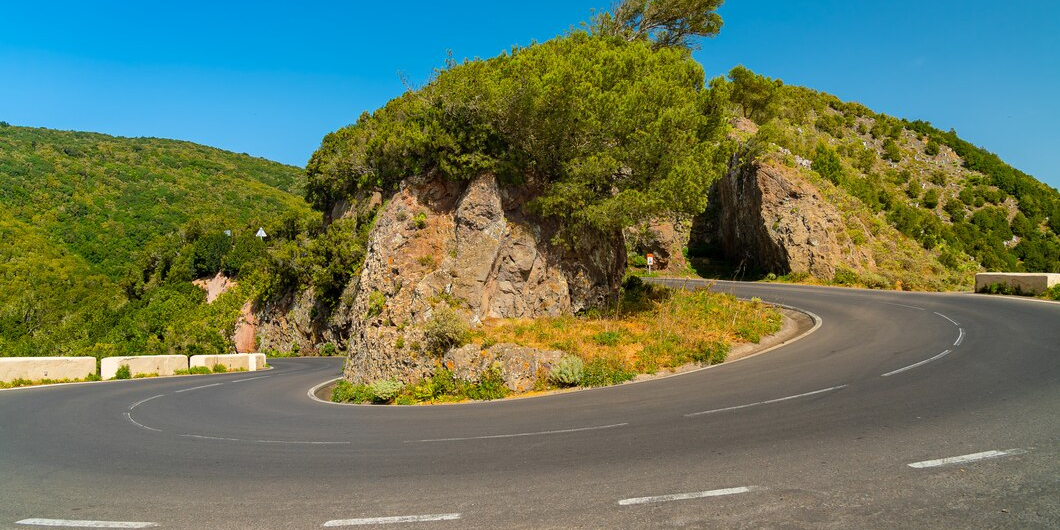
The Road to Hana on Maui runs through one of Hawaii’s most famous areas. This 64-mile drive from Kahului to Hana shows layers of Hawaiian history, from old footpaths to forgotten villages. Travelers see stone trails built by ancient chiefs, jungle-covered old settlements, and spots where early Polynesians lived.
And guess what?
Along the Road to Hana, you will see beautiful waterfalls and locals who work to keep Maui’s culture alive. It links today’s visitors to the chiefs who brought the island together long ago. So, it’s time for you to get ready for rough paths, and look at life before outsiders came.
And to know more about the history of the Road to Hana, Maui, this guide explains the history at every stop and takes you to the most iconic spots. Dusty Hawaii is with you!
Origins of the Road to Hana, Maui
Ancient Hawaiians shaped the Road to Hana, Maui, long before cars hugged its curves. In the 1500s, Chief Pi’ilani ruled Maui during a time of peace and growth. He ordered the building of the Alaloa, a footpath about 4 to 6 feet wide that stretched 138 miles around the island.
This trail linked villages, farms, and sacred spots. People walked it to trade goods, share stories, or attend ceremonies. But Kiha-a-Pi’ilani, Pi’ilani’s son, finished the work by extending it through tough terrain like lava fields and deep gulches. Travelers swung across streams on vines, a practical solution in a land without bridges.
The path served as the King’s Trail, uniting East and West Maui. It followed the ahupua’a system, land divisions from mountains to sea that sustained communities. Without it, Hana stayed isolated, reachable only by canoe or foot. This early network laid the foundation for today’s Hana Highway.
From Footpaths to Modern Road
By the 1870s, sugar plantations led to changes along the Road to Hana, Maui. Employees constructed unpaved tracks alongside the Hämäkua Ditch to cart cane. More was contributed by the government and plantations in the early 1900s, bit by bit.
In the 1920s, prison labor was used to make the trail into a drivable road. It was completed in 1926, and bridges were added through the 1930s. By the 1960s, it had been paved, making the road safer but retaining its wild character. It is now marked by 620 curves and 59 bridges that put drivers to the test and celebrate that rough past.
This development boosted Hana’s economy. Sugarcane factories sprang up, including six mills, in 1883. The road linked distant farms to markets; however, it did not disrupt the land’s spiritual role.
Lost Villages on the Road.
Many of the villages that were prosperous along the Road to Hana on Maui have been reclaimed by the jungle. The stories about the life of Hawaiians, day by day, are narrated in these areas: fishing, taro farming, and meeting in the heiau temples.
Near Mile Marker 10 lies Olo’ewa Village, where, under the ferns, there are stone foundations. Here, families lived near the road and worked lo’i (taro ponds) supplied by waterfalls. The erosion and overgrowth covered it, and the traces reveal skillful stonework of the pre-contact period.
Later, south of Nahiku, a lost fishing village was abandoned when the sugar plantations were closed. The coconut groves and platforms are still there, talking of canoe landing and communal feasts. These abandoned places also remind drivers that Hana was not empty at all, but that the people there simply changed with the land.
Caution assistance in this case: Use designated routes. Flash floods can cover the unstable ground, and cultural respect implies that no rocks or plants need to be removed.
Sacred Sites and Ancient Trails
The Road to Hana, Maui, traces the living history of Hawaii through heiau and petroglyphs. Pi’ilani Heiau at Kula, though not on the drive, ties to the same era, Maui’s largest temple platform.
Jaws Country Lookout near mile 14 overlooks sea cliffs used for ancient rituals. Hana Cultural Center in town displays artifacts from these times, including a replica village with hale (houses) and tools.
Koki Beach offers views of Alau Island, a bird sanctuary linked to myths. Trails here follow old footpaths where chiefs walked. For deeper exploration, hike to Waimoku Falls, where a bamboo forest echoes ancient forest management practices.
Expert tip: Visit mid-week to avoid crowds. Bring water and reef-safe sunscreen—Hawaiian sites demand care for the ‘aina (land).
Best Road to Hana Tours for History Buffs
Choosing a guided tour for the Best Road to Hana Tours experience adds depth, safety, and cultural understanding that most self-drivers simply miss. Professional local guides know how to time stops, manage narrow bridges, and safely access pullouts so you can focus on learning, not navigating. Many small-group tours visit places such as Twin Falls, Keʻanae Arboretum, and Three Bears Falls with historical context that connects ancient farming paths, taro culture, and settlement patterns.
The real value comes from oral storytelling insights rarely found online or in guidebooks. Culturally focused tours often include stops at Wānanalua Congregational Church, helping visitors understand missionary influence on Hawaiian life with balance and respect.
For travelers seeking a meaningful Road to Hana Maui journey, a guided tour transforms sightseeing into true cultural discovery.
Tour Feature Self-Drive Guided Tour
- Historical Narration Basic signs Expert stories
- Hidden Stops Limited Included (e.g., petroglyphs)
- Safety on Curves: Driver-dependent Professional handling
Why Road to Hana, Maui Endures
The Road to Hana, Maui, blends nature with narrative. Ancient trails by Pi’ilani connect to lost villages and sacred spots, making every curve a history lesson. Hana’s Things to do in Hana keep traditions alive, while Best Road to Hana Tours add depth.
This path endures because it invites real engagement not just photos, but understanding. In 2026, with more focus on cultural preservation, it remains Maui’s must-see for those chasing authentic Hawaiian stories. Plan wisely, respect the mana (spiritual power), and let the road reveal its secrets.
Why Choose Stardust Hawaii
When you choose to go to the Stardust Hawaii on your Road to Hana adventure, you experience one of the most legendary trips in Maui with professional attention, comfort, and an understanding of the country.
The Best Road to Hana, Maui Tours in Stardust Hawaii, which are conducted by professionally trained guides who are aware of the twists and curves, as well as the hidden secrets of the Hana Highway. You will be transported in comfortable luxury Mercedes Sprinter vans, and you will not need to worry about getting stuck in small roads and one-lane bridges; instead, you will be able to enjoy the scenery.
The most interesting stories and local folklore are told by the guides, who make every visit exciting and engaging, whether it’s about waterfalls and black-sand beaches, or about old towns and observation points. The stops are highly considered for comfort and convenience, such as adequate bathrooms, snacks, and time for slow sightseeing.
You might be wondering about Things to do in Hana, or you simply want to have a better, more educational Road to Hana Maui experience. Stardust Hawaii can make the long drive more of an affair you will follow to the end.
Stardust Hawaii Maui Tours: Different Types of Road to Hana, Maui
This is a sample of the land-based tours and adventures provided by Stardust Hawaii, and it shows that there are different ways to explore beyond its beaches and waters.
Land and Sightseeing Tours
Our guided land tours explore the green heart of Maui, with scenic drives, cultural attractions, and local experiences, including classic waterfall hikes or even food tours to explore the tropical flavors. Perfect for tourists who wish to see panoramic views and hear tales of the island’s landscapes.
Luxury Tours & Limousine Service.
Travel in private and luxury to Maui. Visitors can ride in luxurious cars such as Mercedes Sprinters, stretch limos, or executive vans on a tour of the island’s best places. These tours are comfortable, personal, and offer custom stops for high-quality sightseeing.
Hiking Tours
Stardust Hawaii outdoor hikes have shown outdoor enthusiasts the beautiful scenic hiking paths on Maui Island, which also features rainforests, craters, ridges, and coastal viewpoints. The guides are inclined to offer botanical, cultural, and historical facts, which is why every hike is remembered.
Tours- Motorcycles & ATV Off-Road Tours.
Adventure travelers can choose from guided motorcycle or ATV tours that explore less-explored areas of the islands. These are backroads and rugged areas of Maui that one cannot explore on foot or with an ordinary tour vehicle, which makes these experiences very exciting as they allow one to explore the vast interior of Maui.
Zipline Tours
Zipline adventures offer a bird’s-eye view of Maui, its valleys, and the forest canopy. We include both introductory tours by single lines and courses that offer views of ocean and mountain scenery, both enjoyable to families as well as anyone who enjoys an adrenaline rush.
Both categories depict a combination of sightseeing, adventure, and comfort offered by Stardust Hawaii to enable visitors to see more of Maui’s natural beauty and cultural richness.
Takeaway
It is not just a waterfall ride and winding bridges; the Road to Hana, Maui is a powerful way to learn about old paths, sacred places, and the stories of the people who created East Maui. This route reveals the other side of island life, with forgotten villages buried in the jungle and living cultural traditions still practiced today. By taking a guided tour with Stardust Hawaii, visitors can learn about this history in a comfortable, safe, and local environment. For tourists in pursuit of the Best Things to do in Hana that count and memorable Best Road to Hana Tours, this adventure is a union of nature, culture, and heritage.